


Precision Aluminum
Bending for U.S.
Curtain Wall Systems
When Curtain Wall Geometry Becomes Complex
aluminum profiles that must perform both structurally and visually to a high
standard.
Delivering these profiles with consistent geometry, controlled distortion, and
high-quality surface finish requires more than standard forming approaches. It
calls for specialist bending capability aligned with real project requirements.
Alubend works alongside facade and curtain wall teams when profile geometry
becomes critical to both performance and architectural intent.
Where Specialist Bending Adds Value
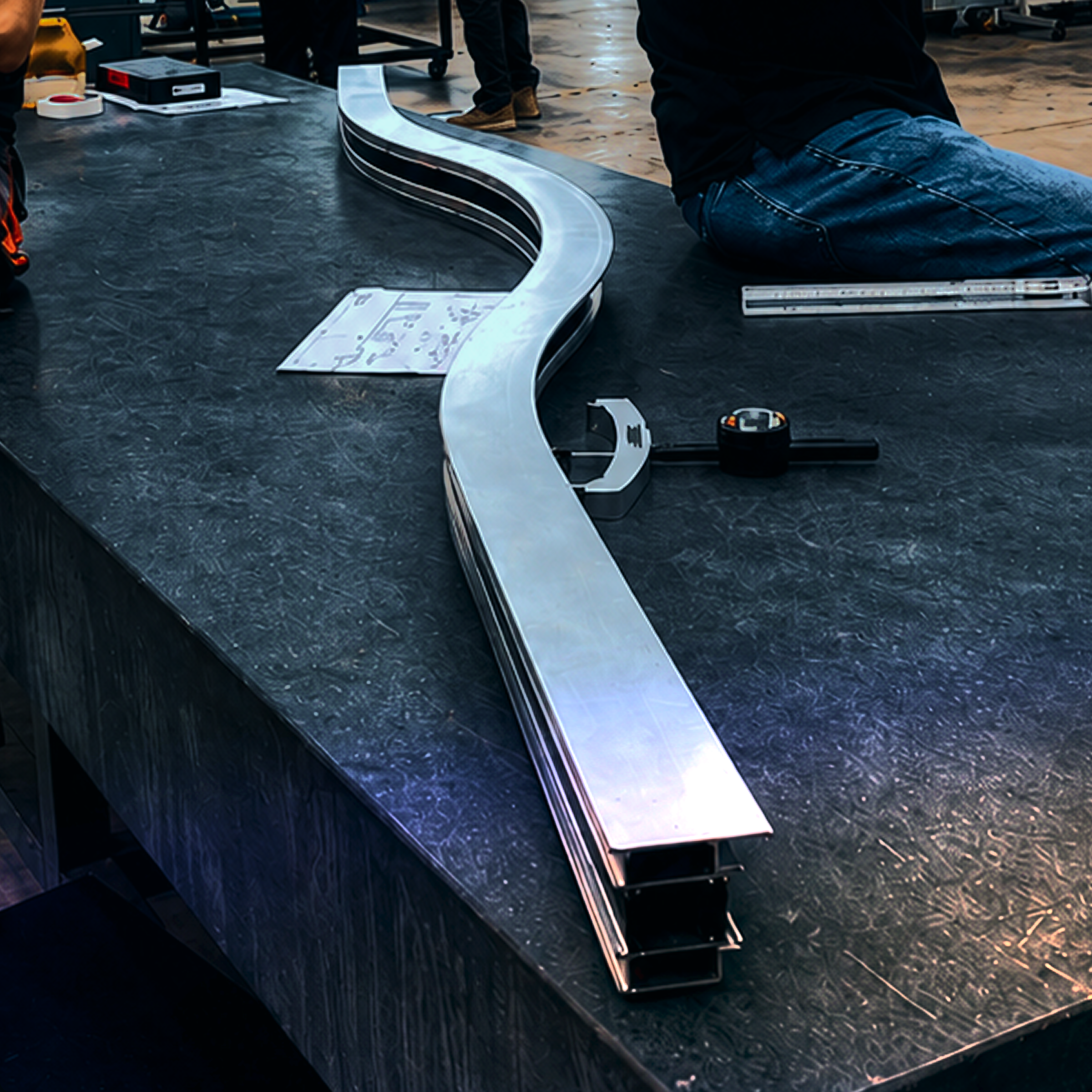
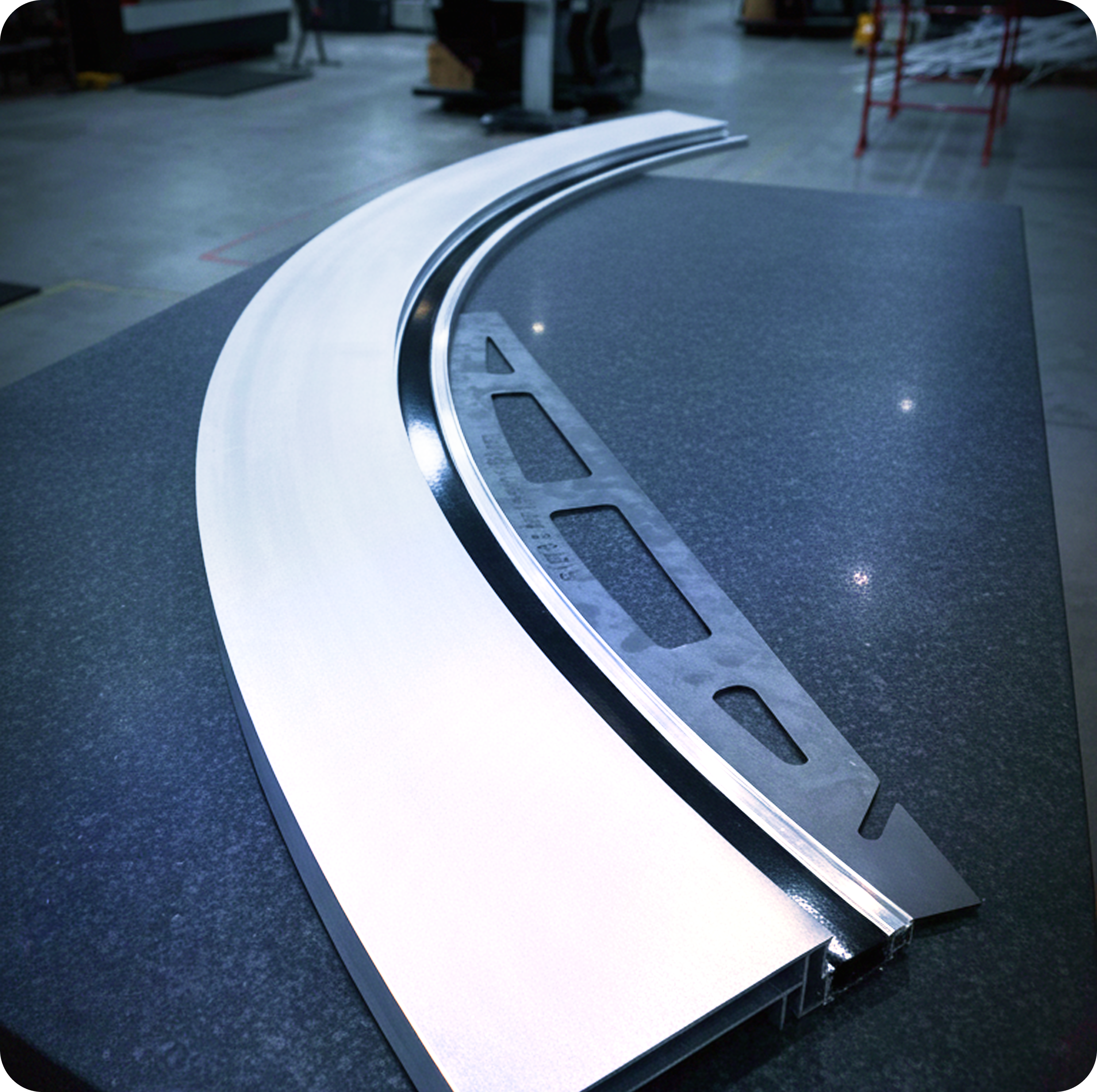
- Tight radii on deep aluminum profiles without excessive distortion.
- Twisted or 3D-formed members that must install cleanly on site.
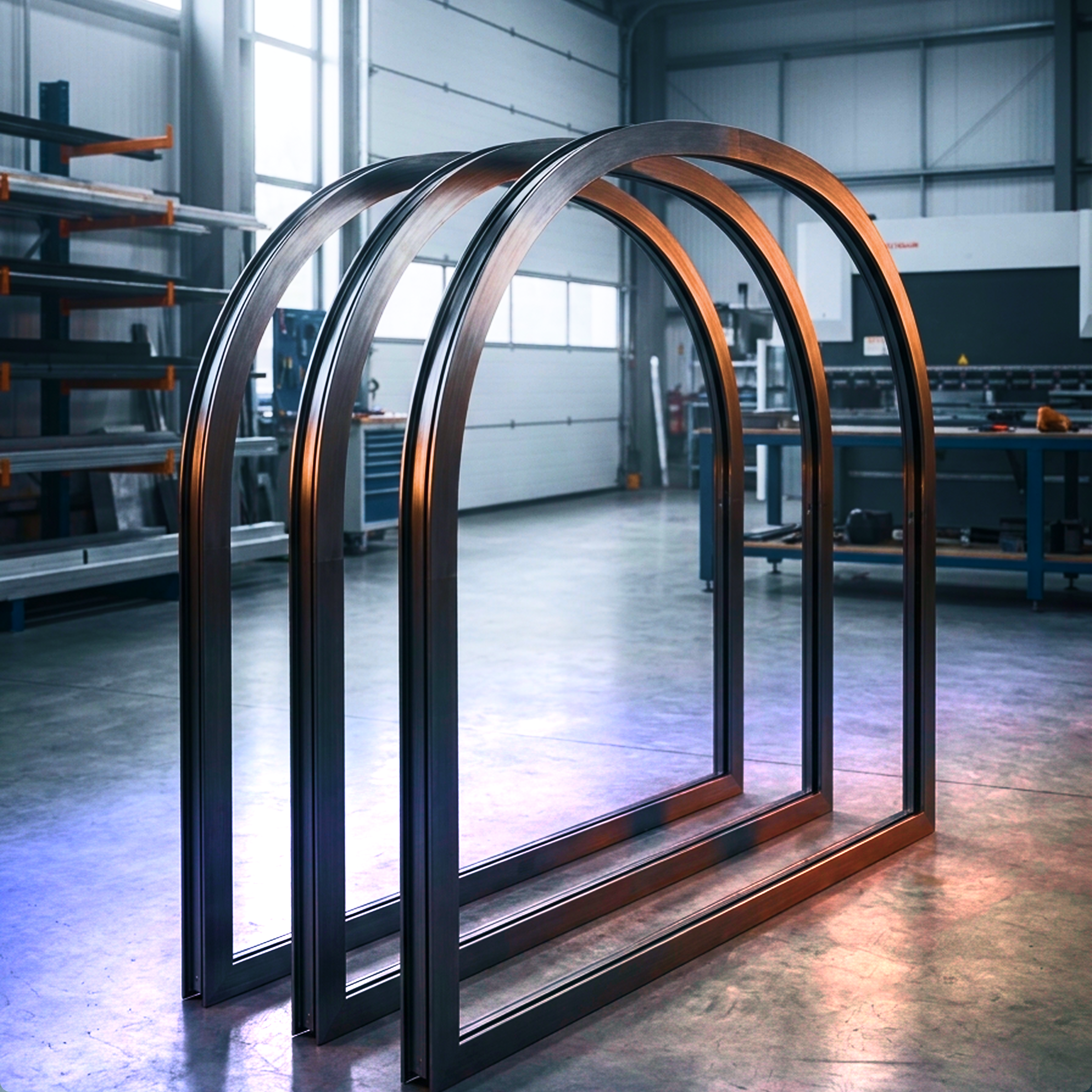
- Visible, architecturally exposed profiles where surface quality is critical.
- Late-stage geometry changes requiring adjustment.

Precise Bending Capability for Curtain Wall and Facade

Maximum Profile Cross-Section

Continuous Length Capacity

U.S. On-Shore Facility
What We Can Bend For You

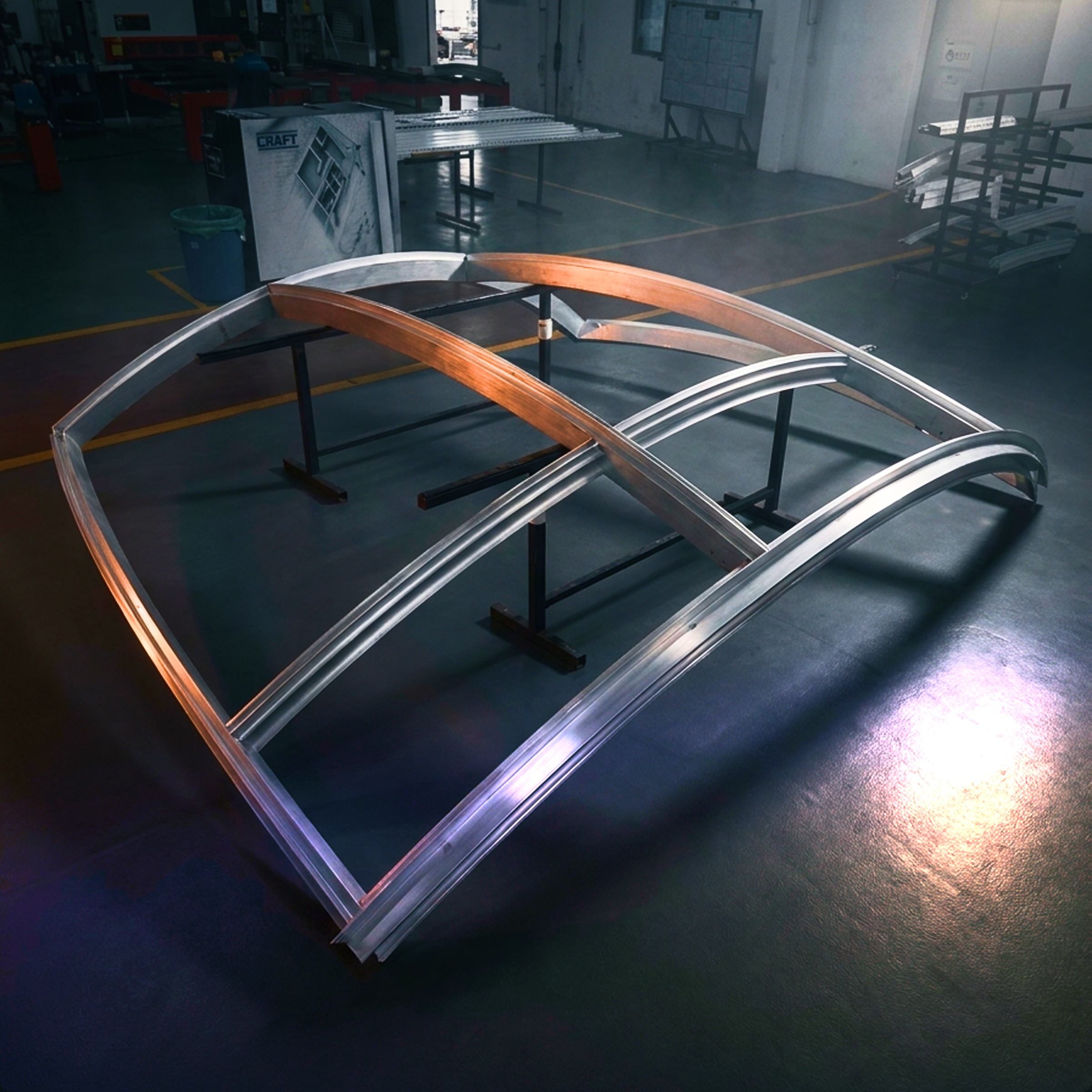
Curved mullions and transoms
Twisted or 3D-warped profiles
Deep extrusions formed to tight radii
Non-standard and custom extrusions

Typical Materials / Profiles
Common aluminum alloys and facade profiles used by leading curtain wall systems manufacturers, with project-based review of new or custom sections.
Specialist Bending Where Geometry and Finish Matter

Complex Geometry Capability
specification.

Engineering-led Approach

Controlled Quality and Geometry Integrity

Responsive Project Support
How Alubend Solves These Problems
Every Alubend project starts with an engineering feasibility review from drawings, not a blind quote. The process assessesd istortion risk, geometry constraints,and surface impact before any material moves.

Engineering Review First
Every project starts from drawings, not a blind quote.

CNC-Controlled 3D Bending
Consistent geometry across curved, twisted, and compound profiles.
See our
3D aluminum bending services

T6 Integrity Restored
.

1-2 Business Day Response
Precision Framework for Complex Curves

Our Process,Your Protection
Every project begins with a formal Engineering Feasibility Review. We validate CAD files against material properties and machine limits before production begins.

Define Accuracy

Technical Disclosure
Why Alubend for Curtain Wall Bending
1
Engineering-Driven Validation
We build confidence through process, not assumptions:
- Drawing-based feasibility review before production
- Sample validation available for critical or first-off profiles
- Geometry and surface quality control
- Clear communication on tolerances and lead times
Where Alubend Fits
Alubend is the right specialist partner for:
- Curved tower façades with tight geometry requirements
- Atriums and entrance features with exposed aluminum profiles
- Unitized and stick-built curtain wall systems with curved frame elements
- Architectural features requiring 3D or compound bending
- Profiles requiring profile twisting and non-planar façade geometry
Involve Us Early
Engage Alubend when:
- Complex or curved geometry appears in the design
- Distortion or twist risk is identified on a profile
- Existing suppliers cannot deliver the required quality
- Project timelines leave no room for rework
- Profile accuracy is critical to architectural intent
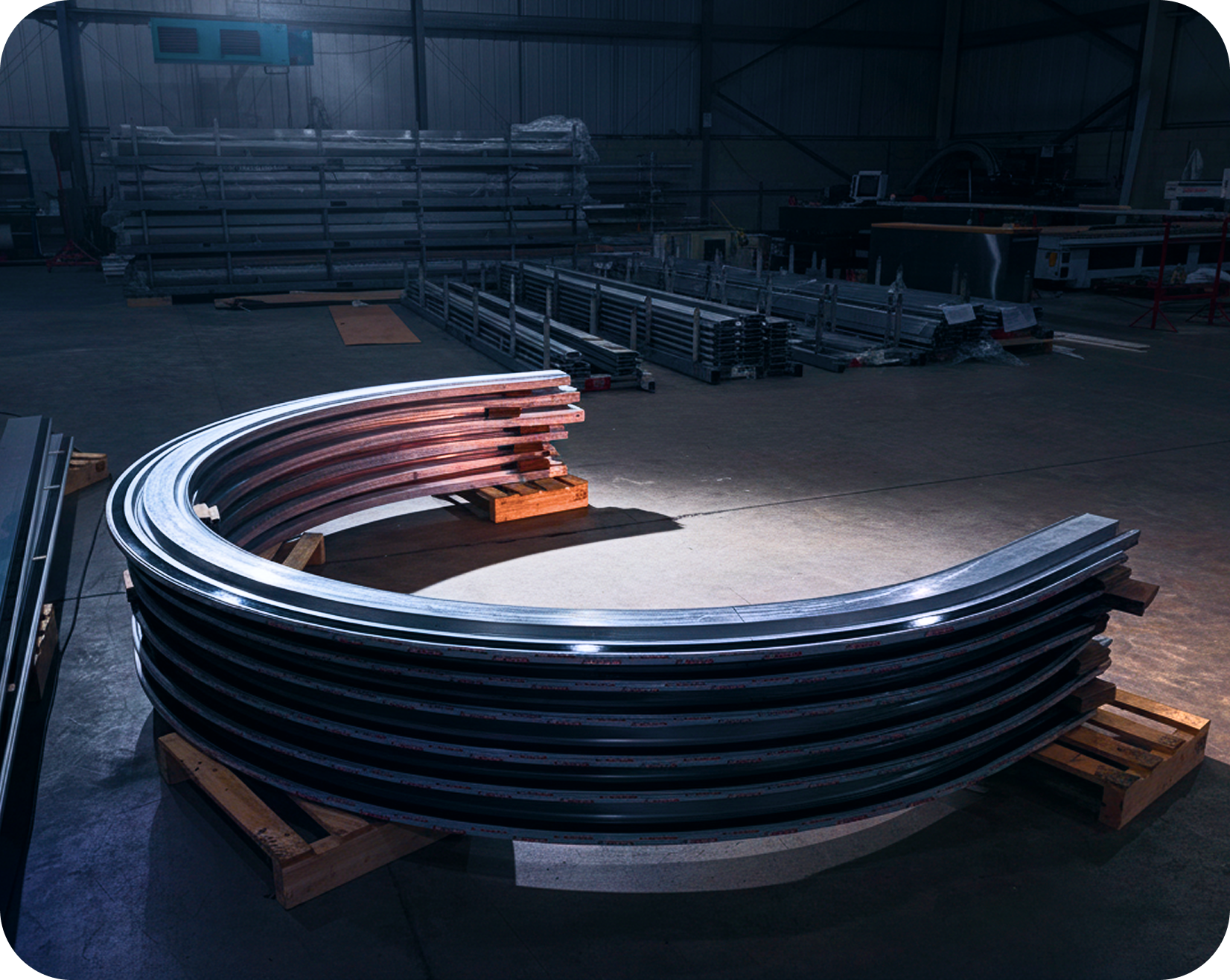
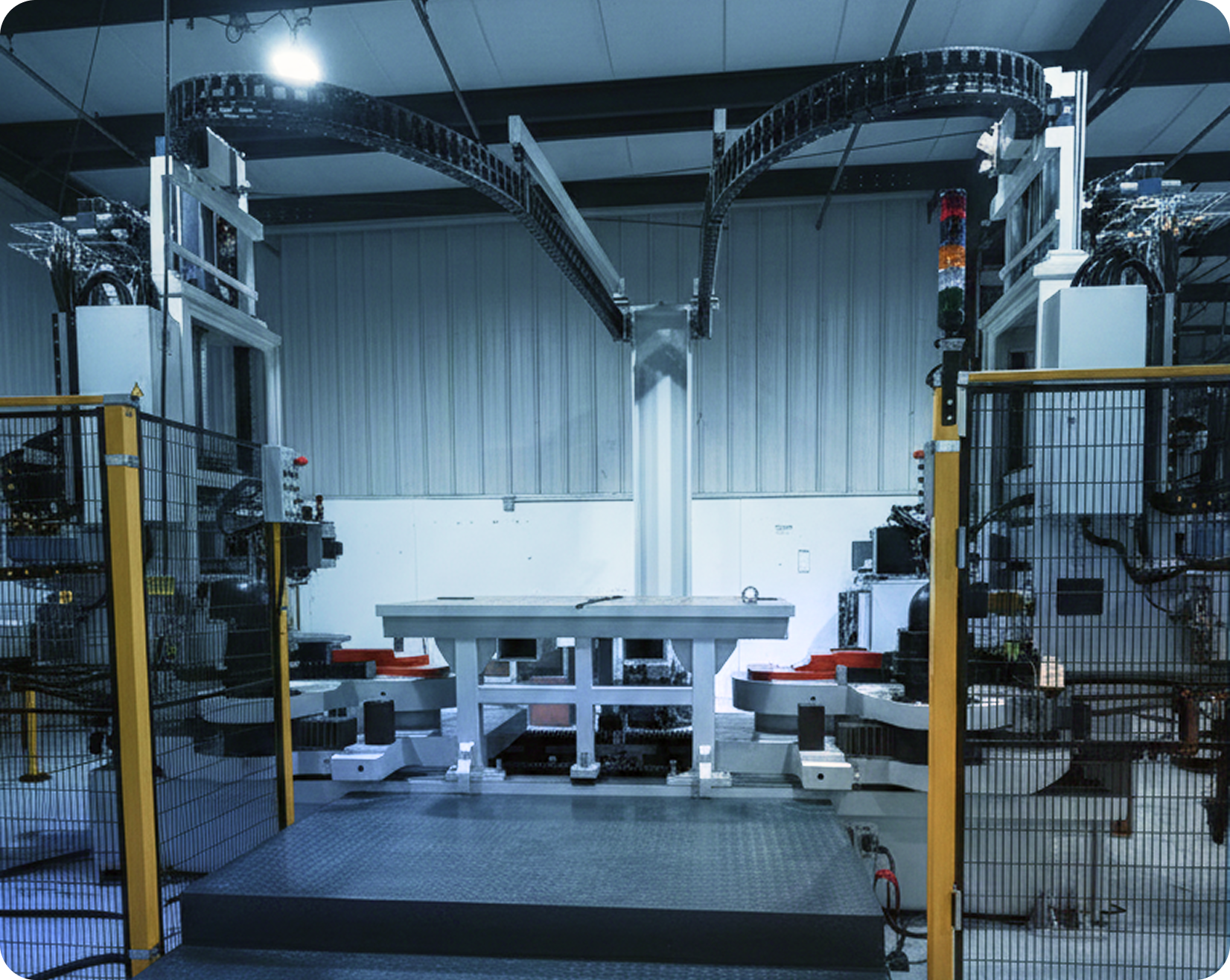
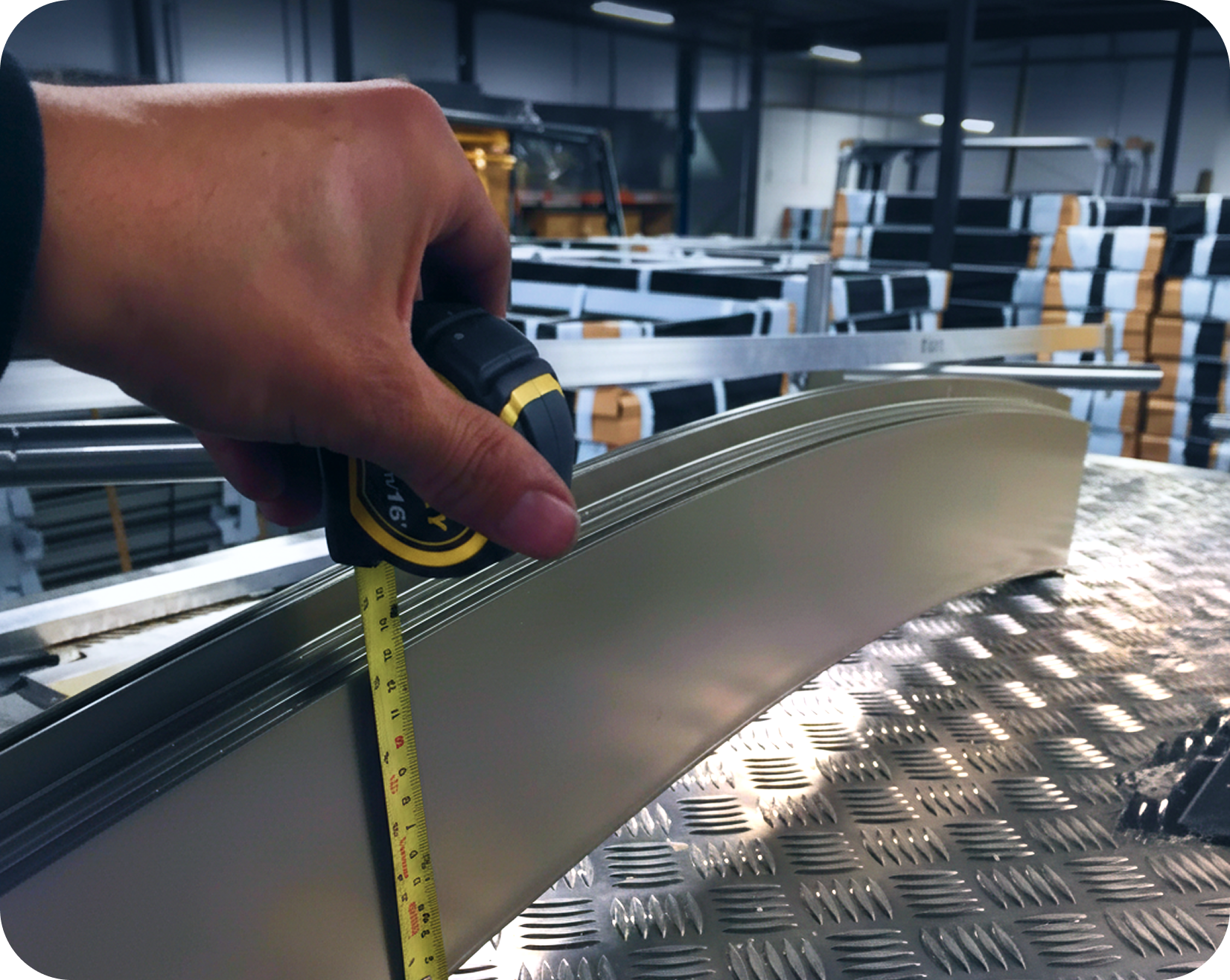
Alubend in Action

How it Works


Certified Technical Authority

Woodstock, IL Facility

Surface Finish Standard

Reports Available on Request
Frequently Asked Questions
Got questions? We’ve answered the most common inquiries about our bending process, materials, and project support.
How do we start a project with Alubend?
Submit your CAD files and project context using the form above. Our engineering team reviews feasibility and returns indicative pricing within 1-2 business days. For more on our process, visit our CNC aluminum bending services page.
What are the main risks in bending complex aluminum curtain wall profiles?
When should I involve Alubend in a curtain wall project?
What is the difference between unitized and stick-built curtain wall systems for bending?
Both unitized and stick-built curtain wall systems can require specialist aluminum bending where curved or non-standard profiles are involved. Unitized systems typically require tighter repeatability across large production runs, while stick-built systems often involve one-off or low-volume complex profiles. Alubend supports both. Learn more about our aluminum profile bending services.
Can Alubend handle curved facade cladding and architectural facade projects beyond standard curtain wall?
What does the U.S. curtain wall market growth mean for fabricators and facade contractors?
The U.S. aluminum curtain wall market was valued at $6.14 billion in 2023 and is projected to grow at 7.5% CAGR through 2030, according to Grand View Research. As demand for curved and architecturally complex facades increases, so does the need for specialist bending capability that can consistently deliver on complex geometry requirements.
Start with a Feasibility Review
- Identify risks early
- Confirm feasibility
- Provide a clear path to production
Our engineering team reviews feasibility and provides pricing within 1-2 business days.


+1 (815) 475-1900