


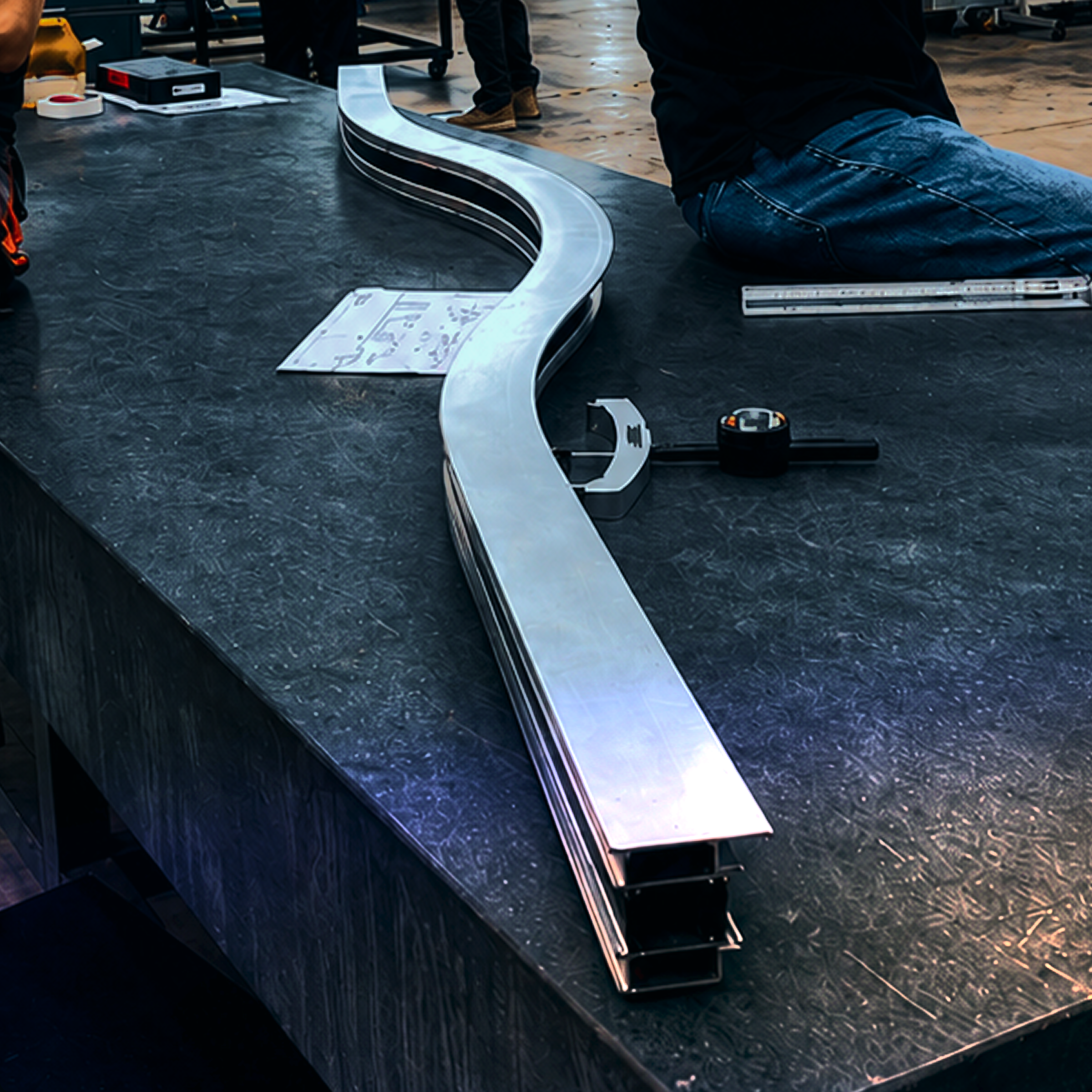


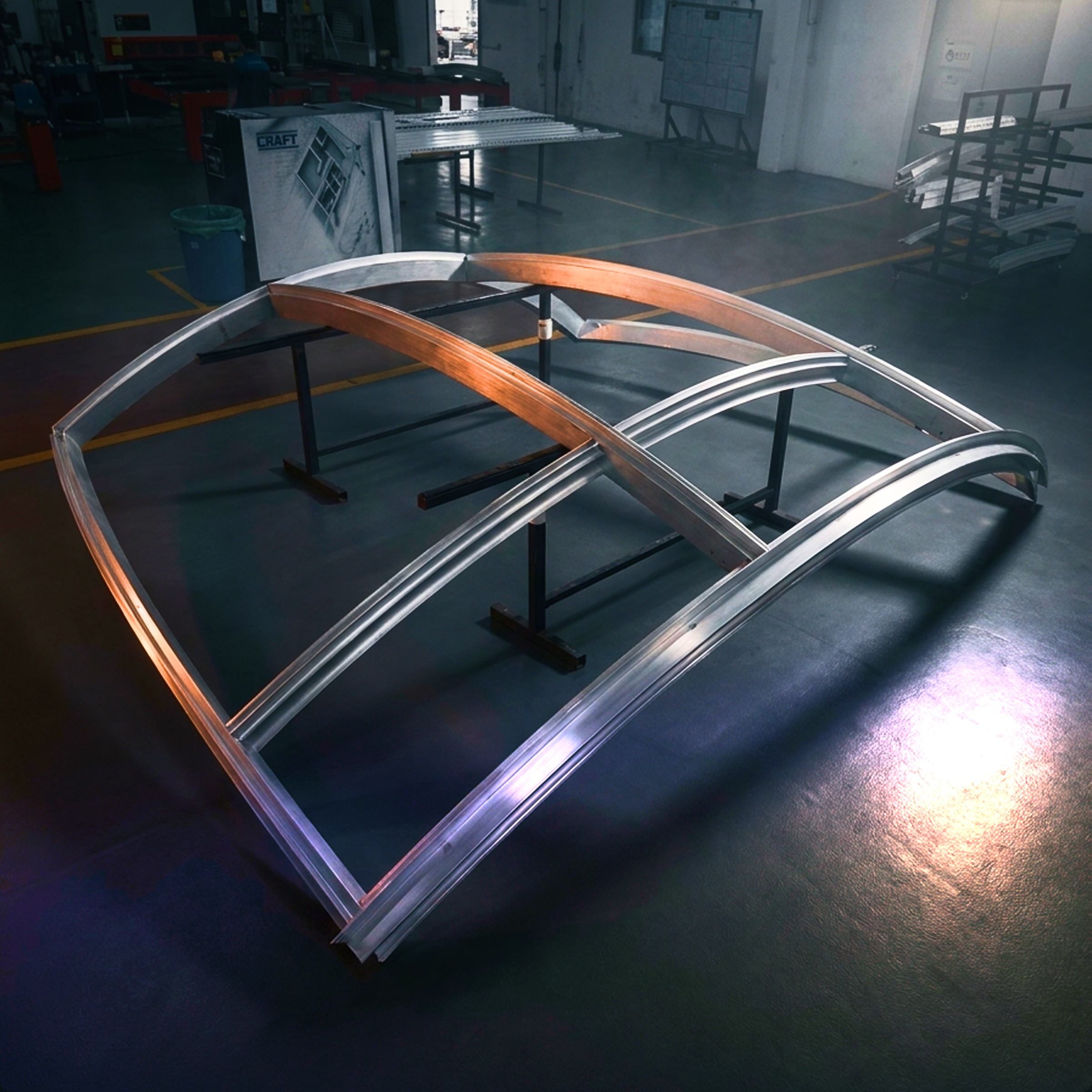

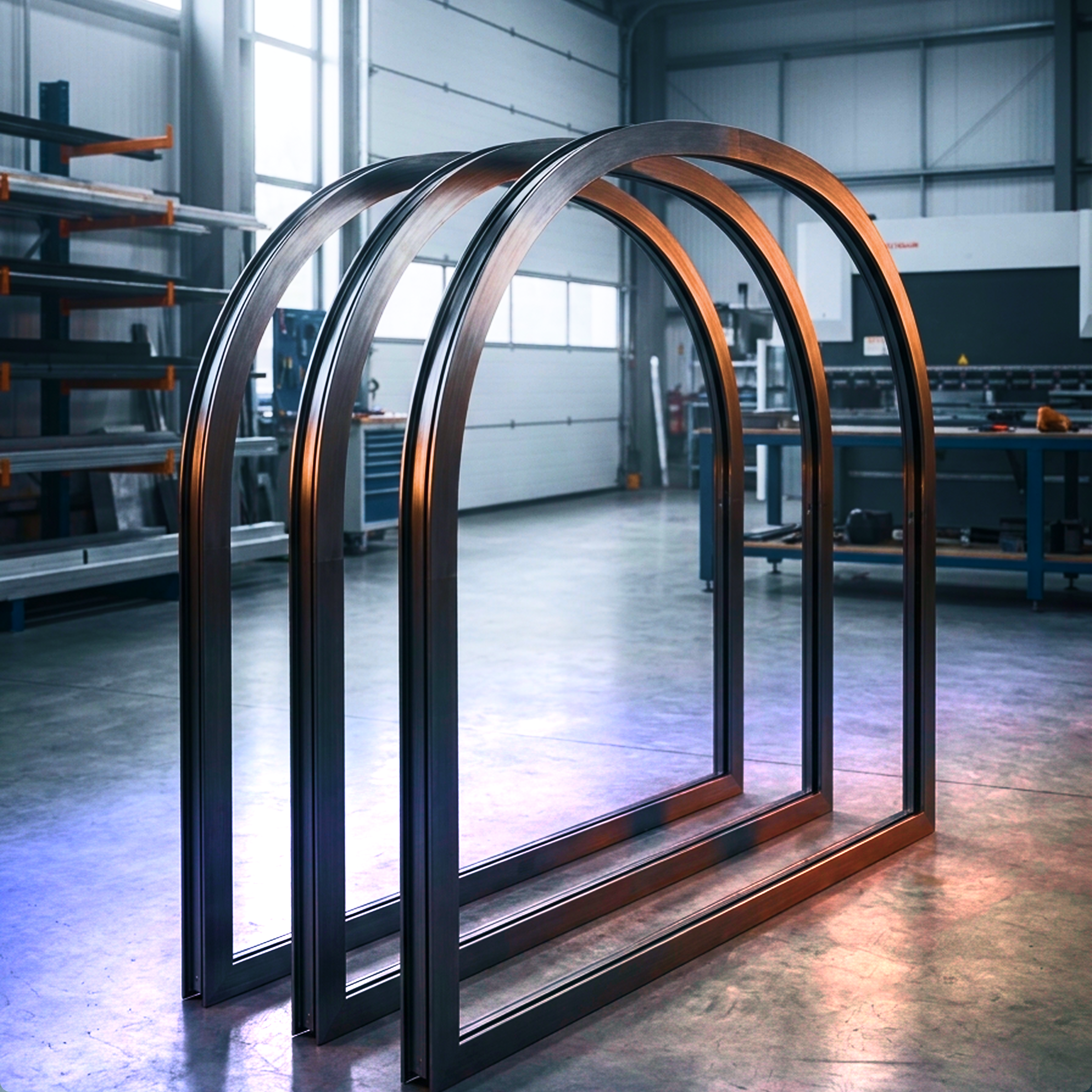
Aerospace Metal Forming & Bending for Structural and Cabin Systems
Alubend provides aerospace tube bending, sheet bending, and metal bending services for aircraft manufacturing, retrofits, and cabin installations. We specialize in aerospace bending fabrication, using advanced aerospace bending machines and machinery to deliver precise, durable bent profiles.
Aircraft Aluminum Bending for Frames, Cabins & Components
We provide aerospace metal forming & bending for aircraft frames, interior structures, support assemblies, and aluminum components.
Our services include:
- Aerospace tube bending
- Aerospace bending fabrication
- Shaping
Other than that, we also offer sheet bending, bend plate, and controlled air bending sheet metal, producing accurate and consistent parts used across commercial, military, and private aviation.

1
Aerospace Aluminum Bending & Profile Forming
Alubend forms aluminum profiles used in structural systems, seating assemblies, and interior installations. We shape each part to drawing specifications and build to deliver consistent radii, stable geometry, and uniform material thickness.
For example, such applications include:
- Airframe and subframe structures
- Cabin seating systems and layout modules
- Panel assemblies and stowage units
- Mounting brackets and internal support frames
As a result, our team forms profiles using precision-controlled equipment developed for aerospace applications.
Applications Across Aircraft Types
Alubend supplies shaped components used in various aircraft categories:
- Commercial passenger jets
- Military and defense platforms
- Private and executive aircraft
- Rotary-wing and utility helicopters
We installed these parts in structural seating assemblies, overhead bin systems, interior wall panels, and cargo floor rails.
Built for Stability During Flight
Aircraft components must hold form under constant exposure to pressure changes, vibration, and thermal cycling. Alubend forms profiles that perform reliably across long operational lifespans.
We shape each part to meet:
- Specific dimensional tolerances
- Strength demands under dynamic loading
- Requirements for material consistency during forming
- Repetition needs for production-scale delivery
Overall, our profiles are always ready for installation into structural or interior aircraft assemblies.
Our Works In Motion
This section presents real world aerospace projects that use Alubend’s bent aluminum profiles. Examples and images show how our components contribute to aircraft structure and cabin layouts, supporting both mechanical function and design requirements.


Get a Quote in 24 Hours
Bring your project to life faster. Upload your DXF, STEP, or PDF files, choose your region and industry, and our expert team will send you a custom quote within just 24 hours.
No delays. No hidden costs. Just a clear, reliable path from design to delivery whether you need aluminum fabrication for architects’ façades to OEMs requiring tight tolerance bending. We’re here to help you get started.
Frequently Asked Questions
Got questions? We’ve answered the most common inquiries about our bending process, materials, and project support.
How does the bending process affect the structural integrity and performance?
Bending significantly affects the structural integrity and performance of components. Key factors include:
Proper bending techniques, equipment, and adherence to standards, along with thorough testing, ensure component integrity and performance.
What is the maximum size and thickness of aluminum that can be bent?
The maximum size and thickness of aluminum for bending depend on the method, equipment, and desired radius. Profiles up to 600mm x 400mm are manageable with specialized machines, while larger profiles may need custom solutions. Thicker aluminum requires more force and specialized equipment.
Consulting professionals ensures accurate bending within material and equipment limits for optimal results.
What are the bending tolerances?
Bending tolerances for aluminum components vary based on specific requirements. Key considerations include:
Angular Tolerance: The allowable deviation from the specified bend angle, expressed in degrees or percentage.
Dimensional Tolerance: The acceptable deviation in dimensions, such as length, width, or radius, often defined by a range or maximum deviation.
Surface Finish Tolerance: The permitted variation in surface smoothness, typically defined by roughness or quality standards.
Tolerance requirements may differ based on the project, application, and design specifications. You can find more information on our general tolerances here.