





Industrial Aluminum Bending & Fabrication Services
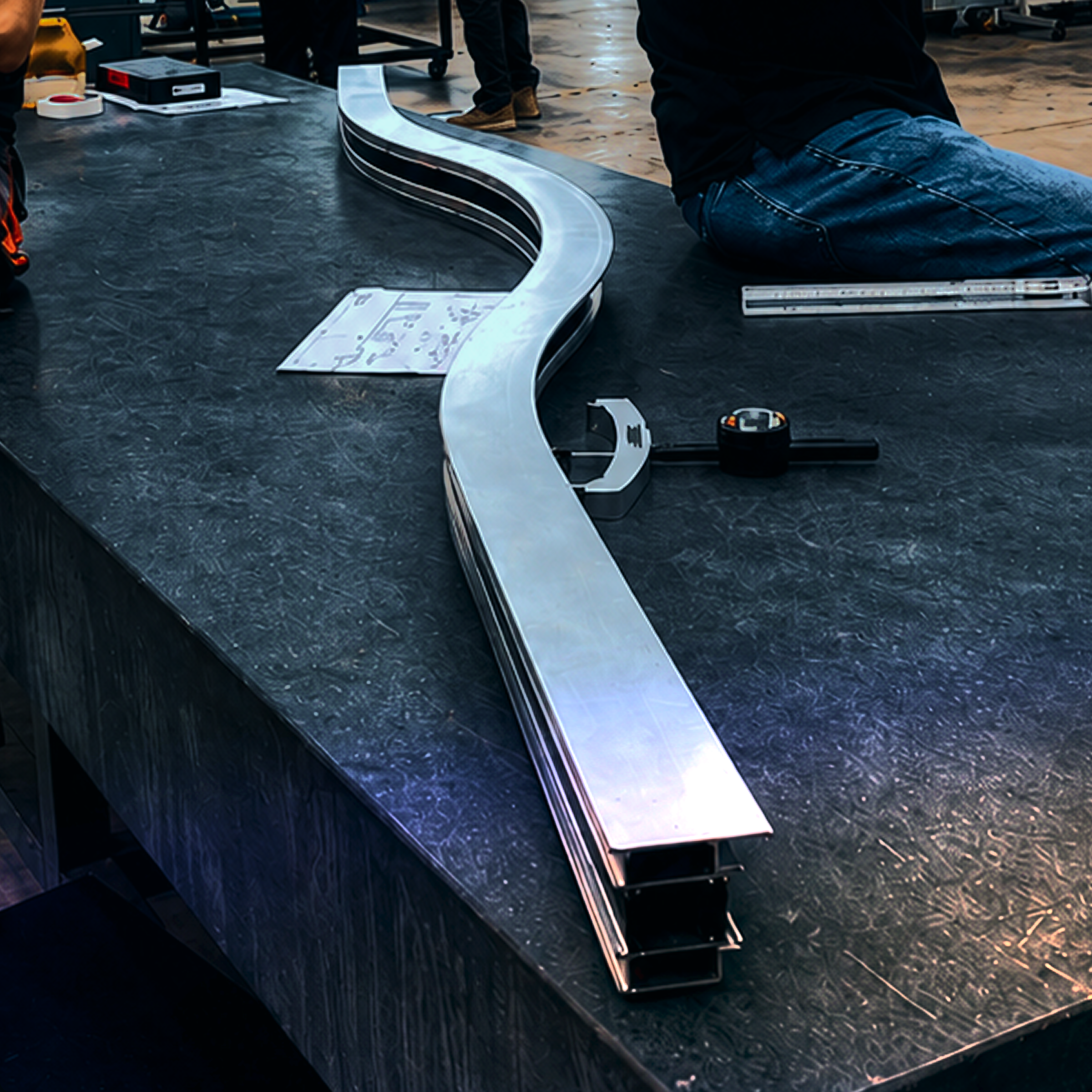
Alubend provides industrial metal bending services. This includes industrial aluminum profile bending, industrial steel bending, and industrial pipe bending used in manufacturing, infrastructure, and machinery systems.
Heavy-Duty Aluminum Bending & Industrial Fabrication Services
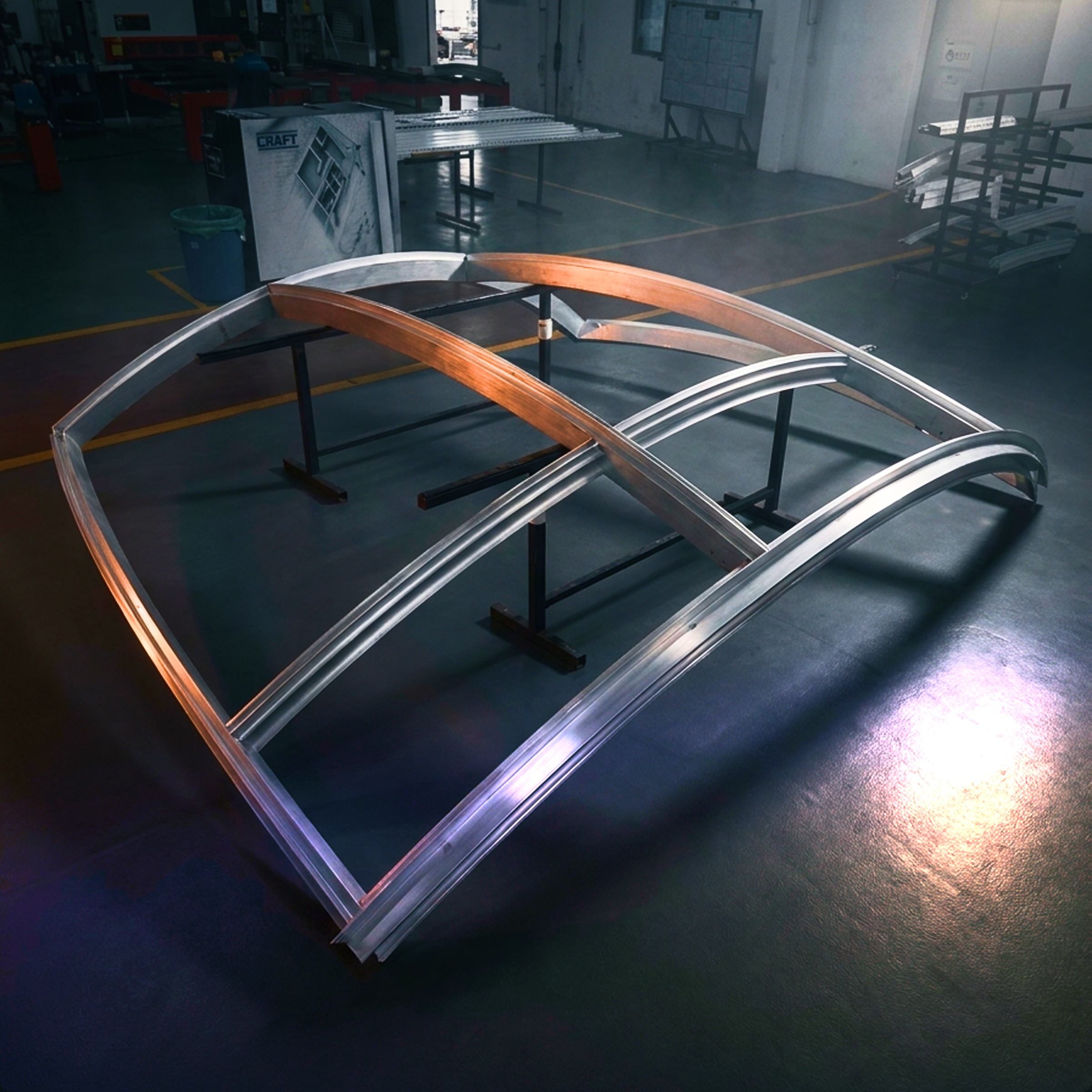
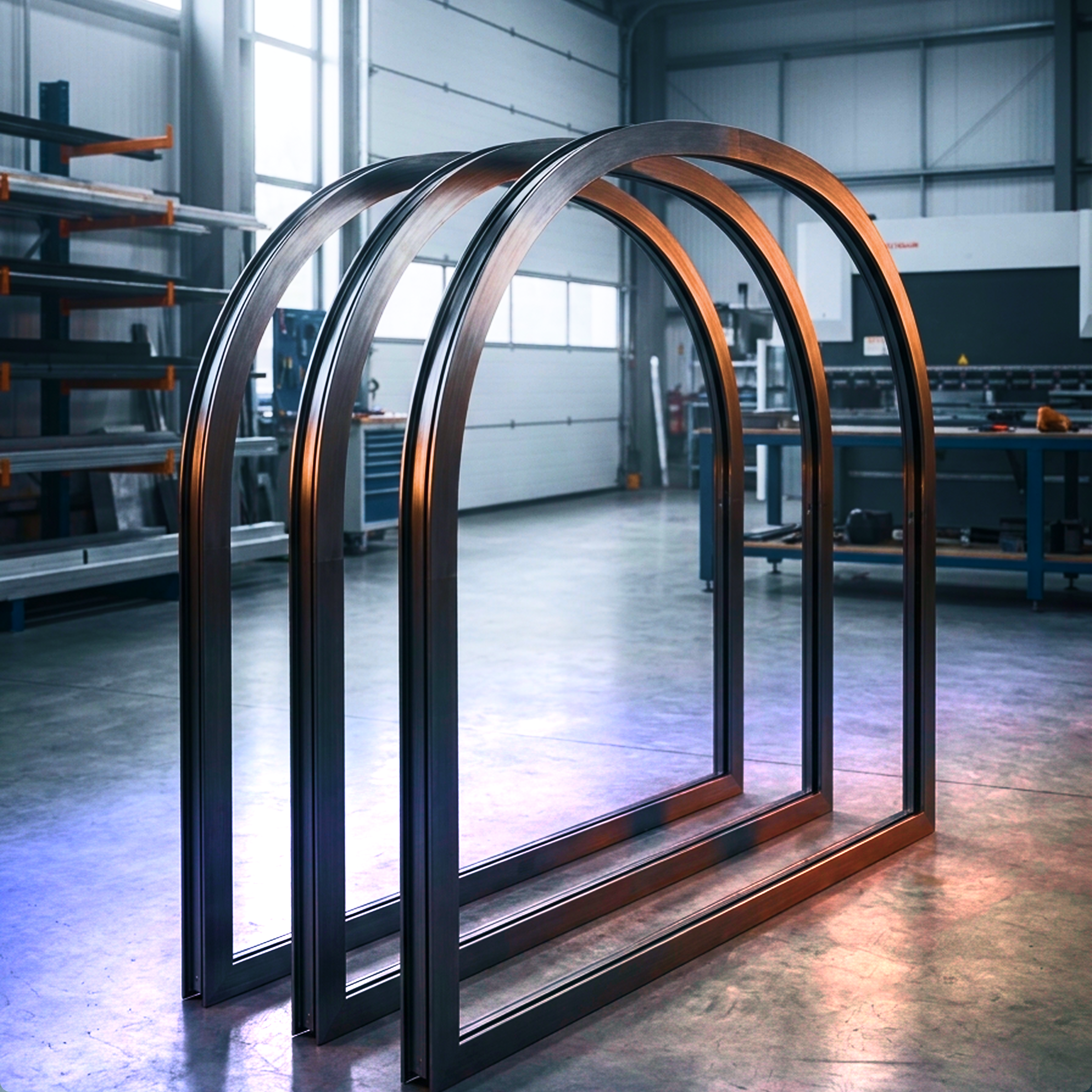
Alubend supplies curved aluminum profiles for industrial use in machinery, structural frames, enclosures, and processing systems. We produce components that combine dimensional accuracy with long-term strength and durability in challenging environments.
1
Forming for Equipment and Infrastructure Projects
We use our components in a wide range of industrial assemblies:
- Machine structures and automation frames
- Protective guards, enclosures, and housing systems
- Support brackets and guides in transport and utility setups
- Platforms and sub-frames in processing environments
Our team builds each piece to meet tolerances, resist corrosion, and withstand frequent use in industrial settings.
Consistent Bending for Demanding Use
We shape every profile for mechanical and structural systems. Our parts are compatible with machining, welding, and bolting operations, designed to fit both original systems and retrofitted assemblies.
We form a variety of profiles:
- Tubing in square, round, and rectangular dimensions
- Angles, beams, flat bars, and structural channels
- Custom aluminum extrusions with varied geometry
Alubend forms every component with precise measurements, reducing fabrication time during assembly.
Industrial Applications Across Multiple Sectors
At Alubend, we apply these components in many industries, including:
- Production automation and heavy machinery systems
- Transport infrastructure, including rail and public transit
- Aerospace and defense structural frameworks
- Utility and water treatment facilities
- Food production, packaging, and handling equipment
Our parts certainly meet the structural and operational requirements in high-pressure environments.
Our Works In Motion
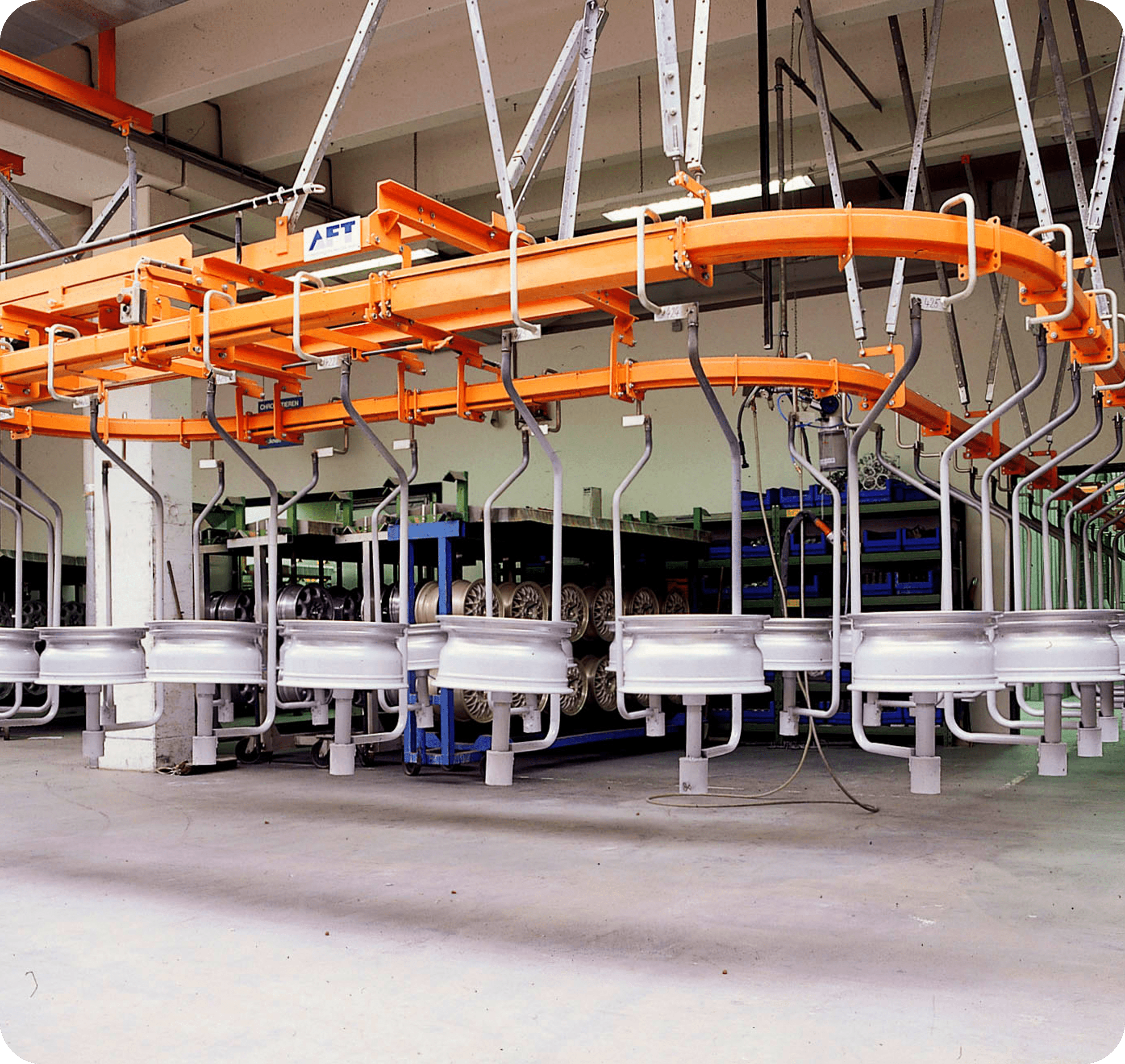
Projects include production lines, plant structures, and industrial enclosures. These applications show how Alubend’s shaped profiles contribute to function, strength, and simplified installation across various manufacturing and engineering sectors.


Get a Quote in 24 Hours
Bring your project to life faster. Upload your DXF, STEP, or PDF files, choose your region and industry, and our expert team will send you a custom quote within just 24 hours.
No delays. No hidden costs. Just a clear, reliable path from design to delivery whether you need aluminum fabrication for architects’ façades to OEMs requiring tight tolerance bending. We’re here to help you get started.
Frequently Asked Questions
Got questions? We’ve answered the most common inquiries about our bending process, materials, and project support.
What is the minimum bending radius for aluminium profiles?
The minimum bending radius for aluminium profiles depends on various factors, including the profile’s dimensions, alloy, and wall thickness. As a general guideline, aluminium profiles with larger dimensions and thicker walls typically have larger minimum bending radii.
For standard aluminium alloys and profiles, the minimum bending radius is often expressed as a multiple of the profile’s wall thickness. As a rule of thumb, the minimum bending radius is typically around 2 to 3 times the wall thickness for common aluminium profiles.
However, it’s important to note that the specific minimum bending radius may vary based on the material’s properties and the bending process used. Some specialised aluminium alloys or profiles may have different bending requirements and recommendations.
To ensure the proper bending of aluminium profiles, it is advisable to consult with experienced professionals or refer to bending guidelines provided by the aluminium profile manufacturer. They can provide specific recommendations based on the profile’s dimensions, alloy, and intended application to ensure the best bending results without compromising the material’s structural integrity.
Can you bend T4 and T6 Aluminium?
Yes, both T4 and T6 aluminum alloys can be bent. T4 alloys are generally more formable and easier to bend, while T6 alloys have enhanced strength and hardness but may be less formable.
Careful consideration of the specific alloy properties and bending requirements is necessary for successful bending. Consulting with experienced professionals is recommended for guidance on best practices and techniques.
What are the uses for curved aluminium components in industrial equipment?
Curved aluminium components find various applications in industrial equipment. Some common uses for curved components in industrial equipment include:
- Frames and Supports: Providing structural integrity and stability to industrial equipment.
- Conveyors and Guides: Facilitating smooth material flow and optimizing space utilization.
- Machine Structures: Enhancing rigidity and stability for reliable operation.
- Enclosures and Cabinets: Protecting electrical components and facilitating easy access.
- Industrial Tools and Fixtures: Assisting in workpiece holding, positioning, and securing.
- Lifting and Handling Equipment: Offering strength, flexibility, and precise maneuverability.
- Robotics and Automation: Enabling precise movements and increased automation capabilities.
- Packaging and Labeling Machinery: Contributing to accurate packaging and labeling processes.
These are just a few examples of the uses for curved aluminium components in industrial equipment. The versatility, strength, and lightweight properties of aluminium make it a preferred choice for various applications, providing efficiency, durability, and cost-effectiveness in industrial settings.